Vienna: Ticket to the Museum of Natural History
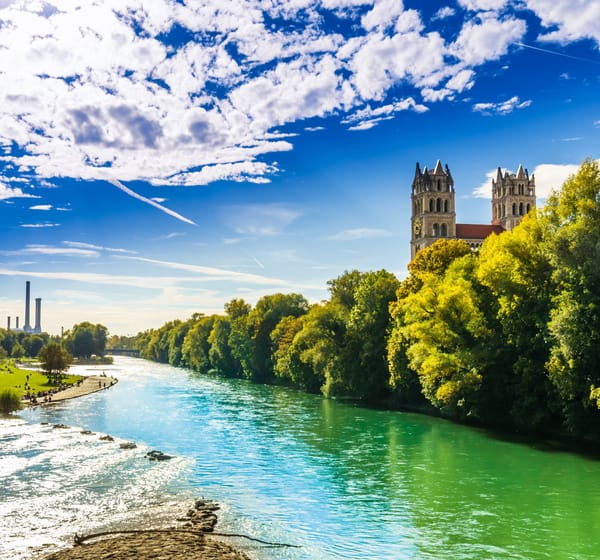
Wachau Valley, Vienna
Explore Vienna's Museum of Natural History which is home to world-famous and unique objects, such as the 29,500-year-old Venus of Willendorf, the Steller’s sea cow, and enormous dinosaur skeletons.
Natural History Museum Vienna: Museum visit suitable for history and science enthusiasts
The Natural History Museum Vienna, located on the Ringstrasse, is one of the largest natural history museums worldwide, housing over 30 million objects. It offers extensive exhibits on natural science, prehistory, and anthropology within a historic building designed by architects Gottfried Semper and Carl von Hasenauer.
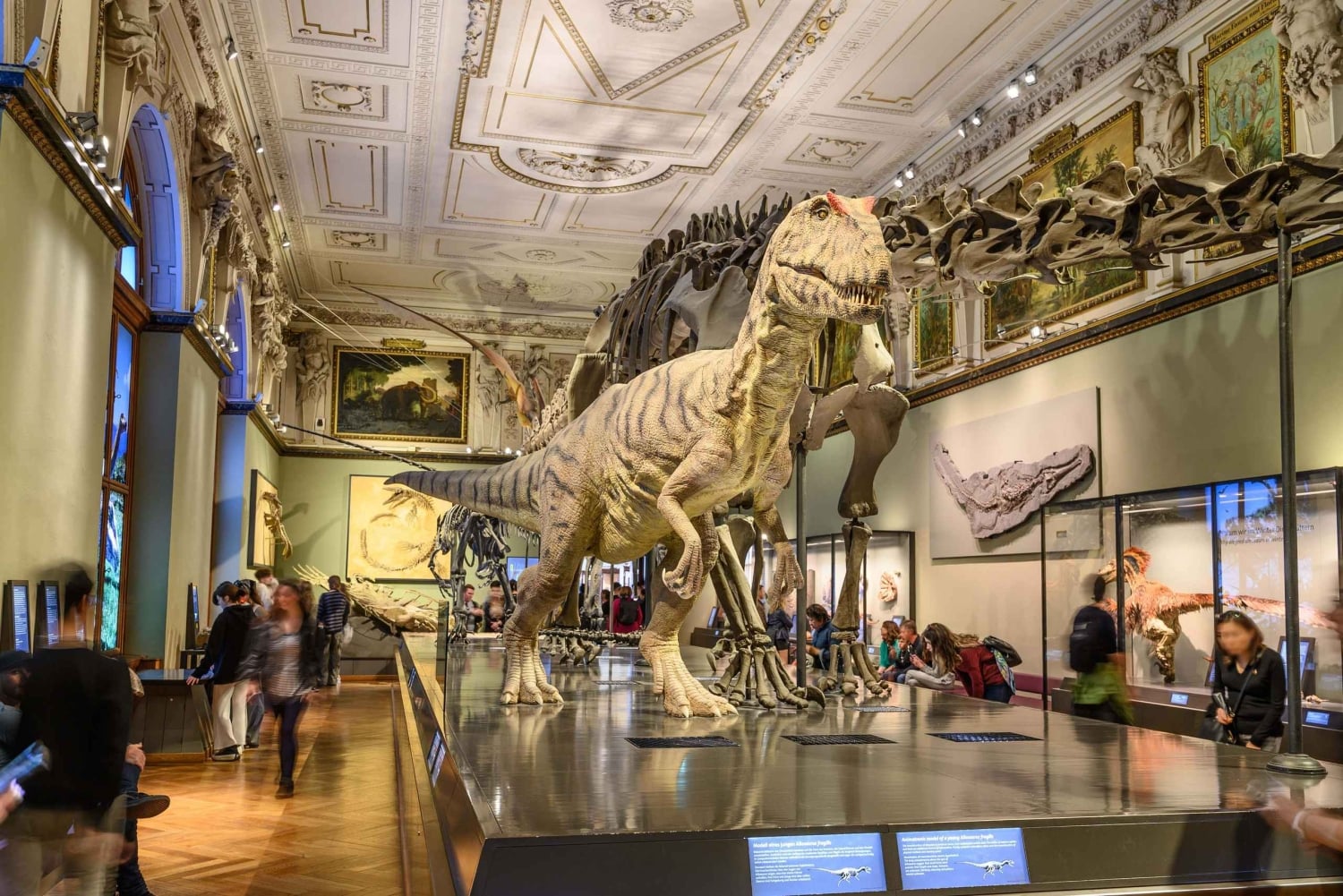
Opened in 1889 by Emperor Franz Joseph I, the museum features 39 exhibition halls across two floors presenting Earth's history and life’s diversity. The lower floor showcases rare gemstones, minerals, fossils, dinosaurs including the largest meteorite collection, and archaeological treasures such as the Venus of Willendorf and prehistoric gold finds. The upper floor displays diverse animal specimens, including rare and extinct species.
Behind the scenes, 60 scientists conduct research in human, earth, and life sciences, contributing to ongoing environmental and climate studies. Visitors can also join a guided rooftop tour offering panoramic views of Vienna's city center and the Ringstrasse buildings.
Highlights
- See the world famous Venus of Willendorf
- Stroll through centuries of natural artifacts
- Admire the museum’s exterior architecture
Includes
- Admission ticket to the Natural History Museum Vienna
Cancellation policy
Cancel up to 24 hours in advance for a full refund.
For the best experience, book tickets in advance and wear comfortable shoes for extensive walking. Visit during weekdays or early mornings to avoid crowds.